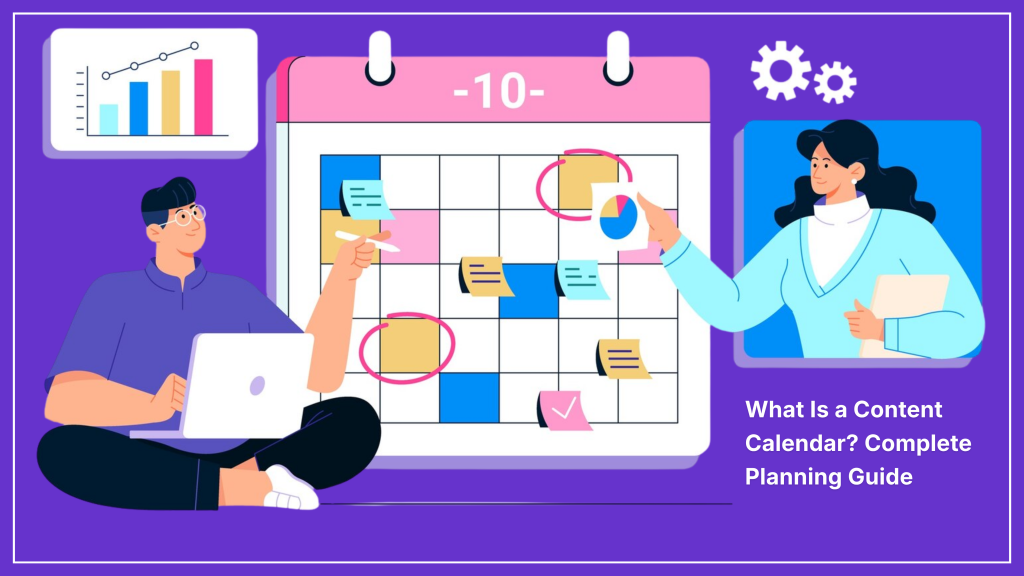
In modern digital marketing, planning content strategically is essential for maintaining consistency and achieving long-term growth. Many businesses publish blogs, social media posts, and marketing campaigns randomly without a clear structure. This approach often leads to missed opportunities, poor organization, and inconsistent engagement. Understanding what is a content calendar helps marketers solve these challenges by providing a structured plan for creating and publishing content.
A content calendar acts as a roadmap for your content marketing strategy, allowing teams to organize topics, schedule publishing dates, and track performance across multiple platforms. Whether you manage a blog, email campaigns, or a social media content calendar, a well-planned system improves workflow and productivity. Using a reliable content scheduling tool or an editorial calendar template also supports a strong content publishing strategy, ensuring that your brand delivers valuable content to the right audience at the right time.
What Is a Content Calendar in Digital Marketing?
Understanding what is a content calendar is essential for building a successful content marketing strategy. A content calendar is a structured planning system that helps marketers schedule, organize, and manage content across different platforms such as blogs, email campaigns, and social media. It provides a clear overview of what content will be published, when it will go live, and which team member is responsible for creating it.
In digital marketing, a content calendar often works as an editorial calendar design that tracks content topics, keywords, publishing dates, and marketing goals. This organized workflow helps teams maintain consistency while executing a strong content publishing strategy. Businesses commonly use tools like Google Sheets, Notion, Trello, or Asana as a content scheduling tool to manage their publishing schedule. By clearly planning upcoming content, companies can improve audience engagement, support SEO strategies, and align their content with overall marketing objectives.
What Is a Content Calendar and Why Does It Matter?
A clear understanding of what is a content calendar helps businesses organize their marketing activities and maintain a consistent publishing schedule. Without proper planning, companies often struggle with irregular posting, missed deadlines, and disconnected marketing campaigns. A well-structured content calendar solves these issues by providing a centralized system to manage blog posts, social media content calendars, email campaigns, and other marketing content.
Using a content scheduling tool or an editorial calendar design allows teams to plan weeks or months of content. This improves workflow, supports collaboration, and strengthens a reliable content scheduling strategy. Businesses can also align content with marketing goals, seasonal campaigns, and important product launches.
Maintain Consistent Content Publishing
Consistency is essential for SEO and audience trust. A content calendar ensures that blog posts, social media posts, and marketing updates are published regularly. This structured approach keeps your brand active and visible while preventing long gaps between content updates.
Improve Team Collaboration
Marketing teams often involve writers, designers, and editors working together. A shared content scheduling tool helps assign tasks, track progress, and manage deadlines efficiently. This organized workflow makes content production faster and more effective.
Strengthen Marketing Strategy
When businesses understand what is a content calendar, they can align every piece of content with broader content marketing strategy goals. This allows brands to plan campaigns, target specific audiences, and track performance for continuous improvement.
Key Elements of an Effective Content Calendar
To fully understand what is a content calendar, it is important to know the key components that make it effective. A well-organized content calendar helps marketers plan, track, and manage every stage of the content creation process. By using a structured editorial calendar design, businesses can organize content topics, assign responsibilities, and maintain a clear content publishing strategy across blogs and social media content calendars. An effective content scheduling tool usually includes multiple elements that support the workflow of a marketing team. These components ensure that content is not only published consistently but also aligned with marketing objectives and audience interests.
What Is a Content Calendar Structure?
Every content calendar should include planned topics and target SEO keywords. This helps writers focus on relevant subjects that match audience intent while supporting a strong content marketing strategy.
Publishing Dates and Deadlines
Clear publishing dates keep teams organized and ensure content is released at the right time. Scheduling blog posts and social media posts in advance strengthens the overall content publishing strategy.
Assigned Team Members
A successful editorial calendar design also assigns tasks to writers, editors, and designers. This improves collaboration and keeps the content production workflow smooth.
Content Calendar vs Editorial Calendar
Many marketers who learn what is a content calendar often confuse it with an editorial calendar, but both tools serve slightly different purposes in content marketing. A content calendar focuses on planning, scheduling, and managing all types of marketing content across multiple platforms. It includes blog posts, social media content calendars, email campaigns, videos, and other promotional materials. Businesses use this system as part of a broader content publishing strategy to maintain consistent publishing and organized workflows.
An editorial calendar, on the other hand, is more focused on planning written content such as blog articles, news posts, and website updates. It usually tracks details like article topics, keywords, publishing dates, and assigned writers through an editorial calendar design. While the editorial calendar mainly supports content creation, the content calendar manages the full marketing timeline. In practice, many teams integrate both systems within a single content scheduling tool like Notion, Trello, or Google Sheets to keep their entire content marketing strategy organized.
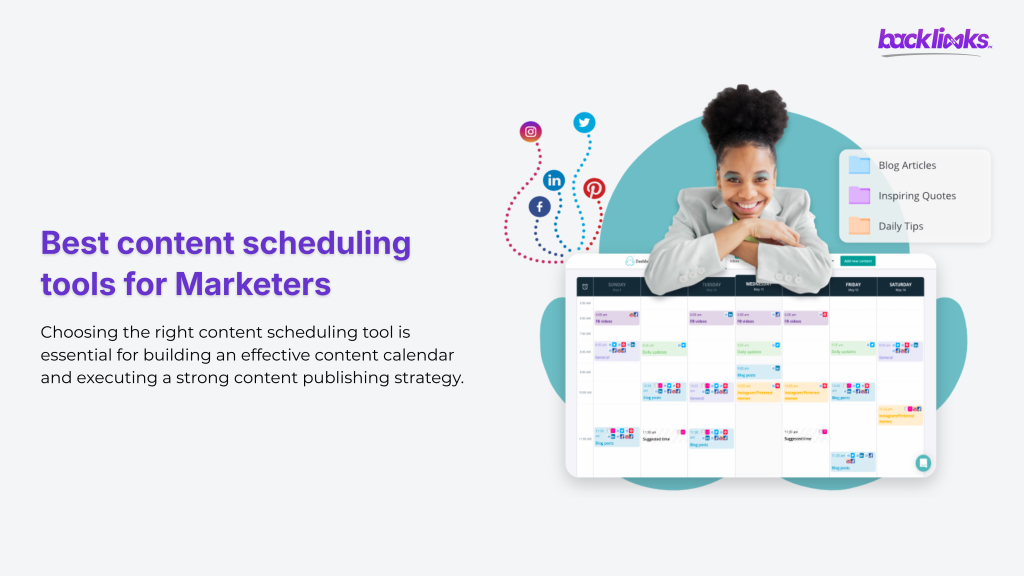
Best content scheduling tools for Marketers
Choosing the right content scheduling tool is essential for building an effective content calendar and executing a strong content publishing strategy. Once businesses understand what is a content calendar, they can use specialized tools to organize topics, assign tasks, and manage publishing schedules more efficiently. These tools help marketing teams streamline their workflow while ensuring content is published consistently across blogs and social media content calendars.
Popular tools like Google Sheets provide a simple and flexible editorial calendar design that allows teams to track topics, keywords, and deadlines. Platforms such as Trello and Asana help manage content workflows by assigning tasks and monitoring progress. Meanwhile, tools like Notion, Airtable, and CoSchedule offer advanced features for managing a complete content marketing strategy. By using the right content scheduling tool, businesses can organize campaigns, collaborate with teams, and maintain a well-structured content calendar that supports long-term marketing growth.
Types of Content Calendars Used in Marketing
To better understand what is a content calendar, it is helpful to explore the different types used in digital marketing. Businesses often create multiple calendars depending on the platform and marketing goals. Each type supports a specific content publishing strategy and helps teams organize content efficiently. Whether managing blogs, videos, or social media, using a structured content scheduling tool ensures consistency and better workflow. Many marketers rely on an editorial calendar design to track upcoming topics, publishing dates, and campaign objectives. A well-designed content calendar can simplify planning and improve the overall content marketing strategy.
What Is a Content Calendar for Blogs?
A blog editorial calendar design focuses on planning blog posts and SEO-focused articles. It includes information such as keywords, article topics, publishing dates, and assigned writers. This type of content calendar helps bloggers maintain consistent publishing and improve search engine visibility.
social media content calendar
A social media content calendar helps marketers schedule posts across platforms like Facebook, Instagram, LinkedIn, and Twitter. It organizes promotional content, campaign posts, and engagement updates to support a structured content publishing strategy.
Email Marketing Calendar
An email marketing calendar plans newsletters, promotional emails, and campaign announcements. By integrating email campaigns into a content calendar, businesses ensure their messaging remains consistent across all marketing channels.
Common Content Calendar Mistakes to Avoid
Even after learning what is a content calendar, many businesses make mistakes that reduce its effectiveness. A content calendar should simplify planning and support a clear content publishing strategy, but poor organization can lead to inconsistent publishing and missed marketing opportunities. Avoiding common errors ensures your content marketing strategy remains structured and productive.
One common mistake is creating a content calendar without clear goals. When topics are planned without considering audience needs or SEO keywords, the content may fail to attract traffic. Another issue is overloading the schedule with too many posts, which can overwhelm teams and reduce content quality. Some marketers also ignore performance tracking, which prevents them from improving future campaigns. Using a reliable content scheduling tool and a structured editorial calendar design helps maintain organization across blog content and social media content calendars, ensuring that every piece of content contributes to a well-planned content publishing strategy.
Free editorial calendar design Structure
After understanding what is a content calendar, the next step is creating a practical structure that teams can easily follow. A well-designed editorial calendar helps organize topics, track publishing schedules, and support a consistent content publishing strategy. Many businesses build their content calendar using a simple content scheduling tool such as Google Sheets, Notion, or Airtable, which allows teams to manage content efficiently.
A typical content calendar template includes several key fields that guide the entire content marketing strategy. These fields often include the content topic, target keyword, publishing date, content format, assigned writer, and the platform where the content will be published. Some teams also include sections for campaign goals and performance tracking to measure results. Whether planning blog articles or a social media calendar, using a structured editorial calendar design keeps marketing activities organized and ensures that every piece of content supports a clear and effective content publishing strategy.
Conclusion
Understanding what is a content calendar can significantly improve how businesses plan and execute their content marketing strategy. A well-organized content calendar provides a clear roadmap for creating, scheduling, and publishing content across blogs, email campaigns, and social media. Instead of posting randomly, marketers can follow a structured content publishing strategy that aligns with business goals and audience interests. Using a reliable content scheduling tool along with a detailed editorial calendar design helps teams stay organized and collaborate more effectively. It also ensures that content is published consistently, which supports SEO performance, audience engagement, and long-term brand visibility. By implementing a clear planning system, businesses can maintain consistency, improve productivity, and achieve sustainable growth through strategic content creation.
Frequently Asked Questions
Understanding what is a content calendar helps businesses plan and organize their marketing content efficiently. A content calendar allows marketers to schedule blog posts, social media content calendars, and email campaigns in advance. It improves workflow, ensures consistent publishing, and supports a strong content publishing strategy that aligns with overall content marketing goals.
A well-structured content calendar usually includes the content topic, target keyword, publishing date, platform, assigned team member, and campaign goals. Many teams use an editorial calendar design or a content scheduling tool like Google Sheets, Notion, or Trello to manage these details and maintain an organized content publishing strategy.
A content calendar manages all marketing content, such as blog posts, social media content calendars, and email campaigns. An editorial calendar design, however, mainly focuses on planning written content like blog articles and website updates within a broader content marketing strategy.
Popular content planning tools include Google Sheets, Notion, Trello, Asana, and Airtable. These tools help marketers build a structured content calendar, assign tasks, and maintain a consistent content publishing strategy across multiple platforms.
A content calendar should be reviewed and updated regularly, usually weekly or monthly. Updating the calendar helps teams adjust their content marketing strategy, add new ideas, and ensure that the content publishing strategy stays aligned with marketing goals and audience trends.