
A well-written title tag is one of the most important on-page SEO elements, and a meta title generator helps you create optimized titles quickly and accurately. The meta title is what users see first in search results, and it plays a major role in both rankings and click-through rate. Writing effective titles manually for every page can be time-consuming, which is why marketers, bloggers, and SEO professionals rely on generators to streamline the process. This works by analyzing your main keyword, page intent, and optimal length to suggest titles that align with search engine guidelines. These tools are designed to follow best practices recommended by Google, such as avoiding truncation, keyword stuffing, and misleading phrasing.
When used correctly, a generator ensures your titles are clear, relevant, and competitive in crowded search results. In this guide, you’ll learn what this generator is, how it works, and how to use it effectively for SEO. We’ll also cover AI-powered tools, best practices, common mistakes, and how to prevent Google from rewriting your title tags, so you can create titles that attract clicks and support long-term search performance.
This generator is an SEO tool that helps create optimized title tags for web pages based on keywords, search intent, and best-practice length limits. Instead of writing titles from scratch, you input a topic or keyword, and the tool generates multiple title variations designed to perform well in search results. This makes it easier to maintain consistency and quality across large websites or content campaigns.
At a technical level, a meta title generator evaluates three core elements: keyword relevance, user intent, and title length. The tool places the primary keyword in a prominent position, adjusts wording to match informational or commercial purposes, and keeps the title within limits that reduce truncation in SERPs. Many generators also account for how Google displays titles, helping you avoid unnecessary rewrites.
Modern tools often combine templates with AI models to suggest readable, click-worthy titles. An AI-powered meta title generator analyzes patterns from high-performing pages and adapts phrasing to match current search behavior. While AI speeds up ideation, the best results come from a quick human review to ensure accuracy, branding, and intent alignment. Used this way, it saves time, improves consistency, and supports stronger SEO performance across your site.
A meta title and description generator creates two different but complementary elements that appear in search results. While both influence click-through rate, they serve distinct purposes and should be optimized differently. Understanding the difference helps you use each tool correctly and avoid common SEO mistakes. The meta title (title tag) is the primary ranking signal among the two. It tells search engines what the page is about and is typically shown as the clickable headline in results. It focuses on keyword placement, intent matching, and optimal length to reduce truncation and rewrites. Getting the title right is crucial for relevance and visibility.
The meta description, on the other hand, is a supporting snippet. It doesn’t directly affect rankings, but it strongly influences clicks by summarizing the page value. A description generator emphasizes persuasion, clarity, and benefits rather than strict keyword placement.
In short:
When both are aligned, a clear title + persuasive description, you create a stronger SERP presence that attracts the right clicks and supports overall SEO performance.
It is designed specifically to help your pages rank better by creating titles that align with search intent and on-page SEO best practices. Unlike generic title ideas, an SEO-focused tool ensures your primary keyword is placed naturally, the wording matches what users are searching for, and the title stays within optimal length limits for search results.
Search engines analyze title tags to understand page relevance, and a well-optimized title can significantly improve visibility. An SEO meta title generator helps by prioritizing clarity over creativity, avoiding keyword stuffing, and structuring titles in a way that search engines and users both understand. This balance is essential for competing in high-volume keywords where small optimizations make a big difference.
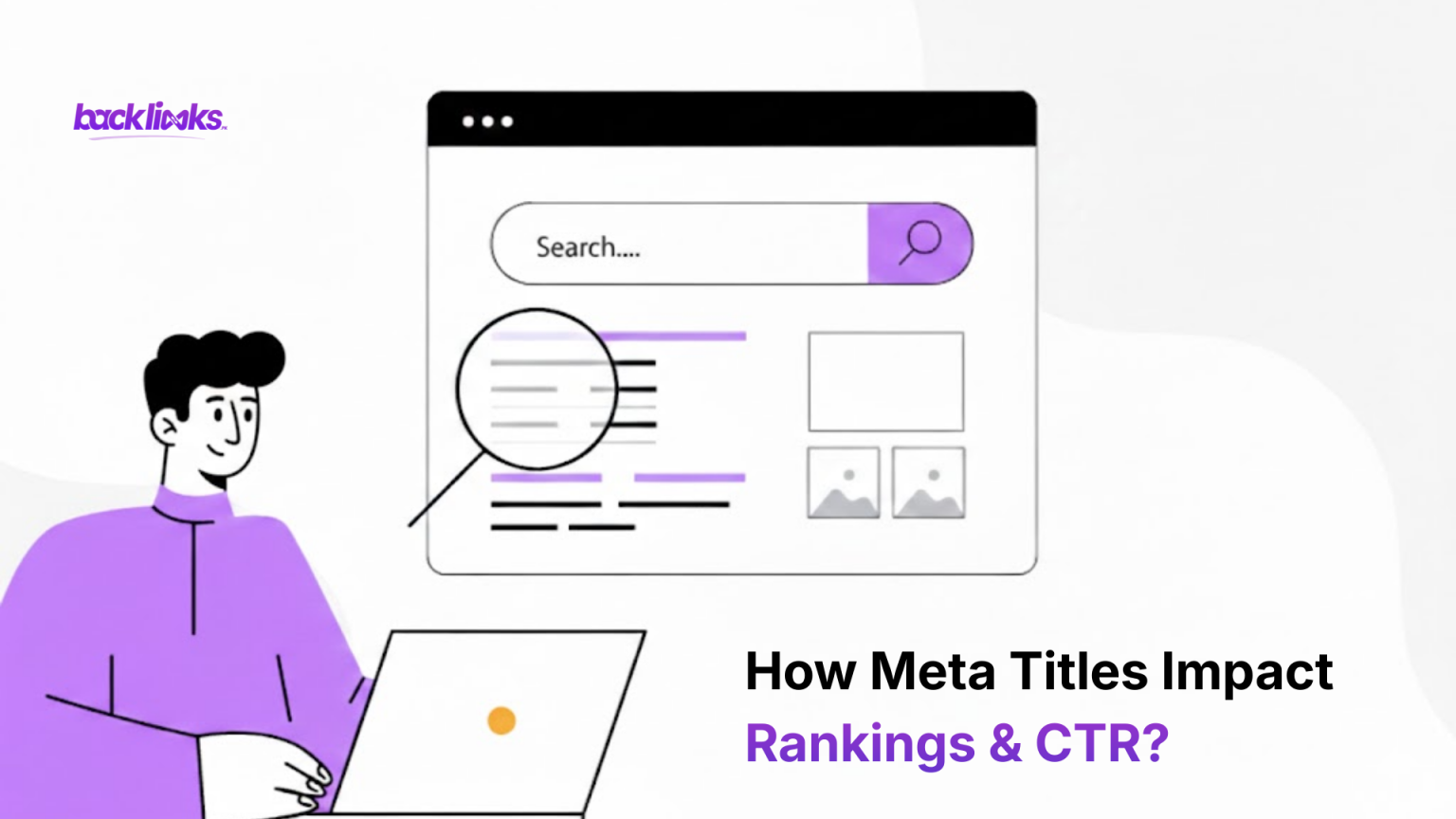
Meta titles influence rankings indirectly by improving click-through rate (CTR). When users see a clear, relevant title that matches their intent, they’re more likely to click. Search engines like Google track engagement signals, and consistently higher CTR can support stronger organic performance over time.
Using this SEO generator helps you test variations, refine wording, and create titles that stand out without being misleading. When combined with strong content and proper on-page optimization, a well-crafted title tag becomes a powerful lever for both higher rankings and better user engagement.
It uses machine learning models to create title tag suggestions in seconds. These tools analyze keywords, search intent, and common SERP patterns to generate multiple variations quickly. For large websites or teams producing content at scale, AI-powered generators significantly reduce the time spent brainstorming titles. The biggest advantage of an AI meta title generator is speed. You can generate dozens of SEO-friendly title ideas instantly, test different angles, and select the one that best fits your page. This is especially useful for e-commerce stores, blogs, and agencies managing hundreds of pages where manual title writing isn’t practical.
However, speed comes with a trade-off: control. AI doesn’t always understand brand tone, local context, or subtle intent differences. It may produce titles that are technically optimized but slightly generic or misaligned with your messaging. That’s why the best approach is to use it for ideas, then apply a quick human review to refine wording, branding, and accuracy. This balance ensures you benefit from automation without sacrificing SEO quality or trust.
This generator is a great starting point for beginners who want to optimize their pages without investing in paid tools. These generators typically allow you to enter a keyword or topic and instantly receive several SEO-friendly title suggestions. For new bloggers, small business owners, and students, free tools provide a simple way to learn title optimization basics and improve visibility. Free generators usually follow core best practices, placing the primary keyword early, keeping titles within recommended length, and avoiding spammy phrasing. Many also preview how titles may appear in search results, helping beginners understand truncation and readability. While they may not offer advanced customization or bulk consideration features, they’re effective for single pages and early-stage sites.
That said, free tools have limitations. They may reuse common templates, lack brand controls, or offer fewer variations compared to premium options. As your site grows, you might need more flexibility, testing, and insights. Still, starting with a free meta title generator builds strong fundamentals and helps you create compliant titles that align with guidelines from Google.
Using an SEO title tag generator is most effective when you follow proven best practices that align with how search engines and users read titles. A generator can suggest options, but applying the right rules ensures those titles actually perform in real search results.
Aim for clarity within the visible range to avoid truncation. While character counts vary by font, a generator that previews pixel width helps ensure your title displays fully and cleanly.
An SEO title tag generator should position the main keyword toward the beginning of the title when it makes sense. Avoid forcing keywords; readability and intent matching matter more than exact placement.
Choose wording that reflects what users expect to see after clicking. Informational pages should sound helpful, while commercial pages should signal value or solutions.
Including a brand name can improve trust, but only when space allows. For key pages, append the brand at the end; for smaller pages, prioritize clarity over branding.
Repeating the same keyword or using exaggerated promises can trigger rewrites and hurt CTR. Use an SEO title tag generator to create concise, honest titles that accurately reflect page content.
By combining these best practices with a reliable generator, you can create title tags that are search-friendly, user-focused, and consistent across your site, leading to better visibility and engagement.
It allows you to create optimized title tags instantly, without installing software or configuring complex tools. These browser-based generators are designed for speed and convenience. Simply enter your keyword or page topic, and you’ll get multiple SEO-friendly title suggestions in seconds. This makes them ideal for quick edits, last-minute optimizations, or teams working across devices.One major advantage of using a meta title generator online is accessibility. Because everything runs in the browser, you can generate titles anywhere and collaborate easily with writers or editors. Many online tools also include real-time previews that show how your title may appear in search results, helping you avoid truncation and improve readability.
Online generators typically follow search guidelines and SERP behavior influenced by Google, such as prioritizing relevance and clarity. While advanced features like bulk generation or brand rules may require premium tools, an online generator is perfect for fast, accurate results, especially when you need to optimize pages on the go.
A Google meta title generator is built around the principles and display rules used by search engines to show title tags in results. While Google doesn’t offer an official standalone generator, most tools model their logic on Google guidelines, focusing on relevance, clarity, and user intent rather than keyword stuffing.
Google’s main goal is to show the most accurate and helpful title for each page. If a title is misleading, too long, repetitive, or lacks context, Google may rewrite it automatically. This generator takes this behavior into account by keeping titles concise, descriptive, and aligned with on-page content. This reduces the chances of unwanted rewrites and improves consistency in SERPs.
It minimizes rewrites by following Google’s best practices:
Research and SERP analysis shared by Ahrefs show that Google often rewrites titles when they are over-optimized, misleading, or poorly aligned with on-page content. According to insights from the Ahrefs blog on title tag optimization, clear, intent-matched titles are more likely to be displayed as written. By using a meta title generator that follows these principles, you can create stable, trustworthy title tags that perform better over time in organic search.
A meta title generator is a powerful SEO tool when used correctly. It helps you create clear, relevant, and search-friendly title tags without spending hours brainstorming or testing manually. From free and online tools to advanced AI-powered solutions, generators make it easier to maintain consistency, improve click-through rates, and align titles with search intent.
However, the real value comes from balance. Use it for speed and structure, then apply human judgment to refine tone, branding, and accuracy. By following best practices and aligning with guidelines from Google, you can reduce title rewrites, improve SERP visibility, and support long-term SEO performance across your site.
Explore other helpful Tools:
It is a tool that creates optimized title tags for web pages based on keywords, intent, and SEO best practices.
Most meta titles perform best when kept within visible limits in search results. Tools that preview display width help avoid truncation.
Yes, these AI generators are safe when used correctly. They should be reviewed by a human to ensure accuracy, relevance, and brand alignment.
Google may rewrite titles if they are too long, misleading, repetitive, or don’t match the page content.
Free tools are sufficient for small sites or beginners. Larger sites often need more advanced features like bulk generation and customization.