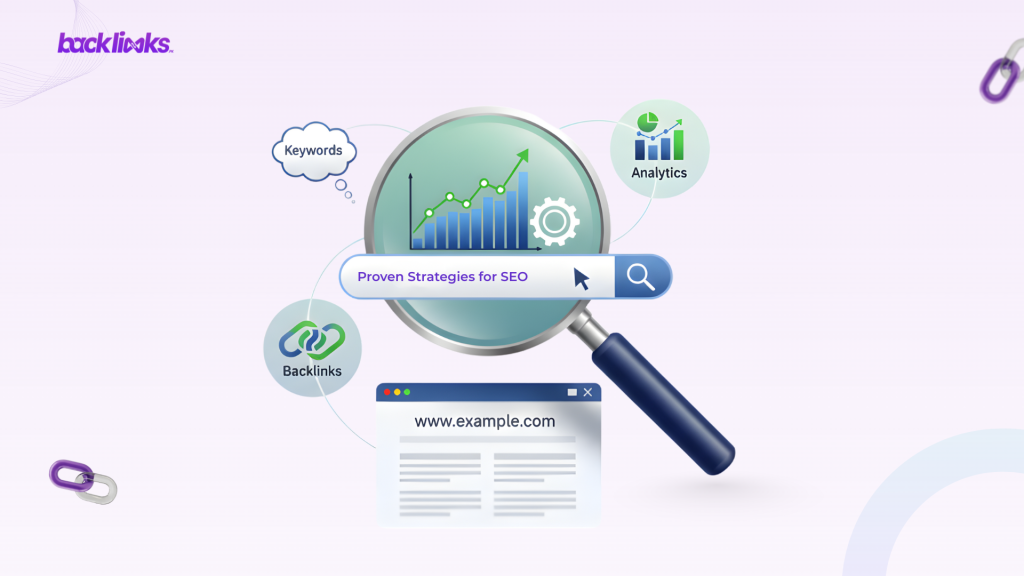
In 2025, link building remains one of the most influential parts of a successful SEO strategy, even as Google evolves and search algorithms become more sophisticated. For anyone trying to grow visibility, the first step is understanding what link building is in SEO and why it continues to matter. At its core, link building is the process of earning backlinks from reputable websites so search engines can determine the relevance, authority, and trustworthiness of your content.
Although tactics and platforms change, one truth remains the same: strong backlinks help search engines identify which pages deserve to rank. When credible sites reference your content, they enhance your reputation, strengthen your authority signals, and improve discoverability across the web. This guide breaks down the proven strategies that still work today, practical, sustainable methods that help you build real authority and long-term ranking power.
What is Link Building
Link building has evolved far beyond simply collecting backlinks. Today, it’s a strategic process focused on earning backlinks, inbound links, and external links that strengthen your presence across the web’s information graph. Search engines use these signals to assess relevance, credibility, and the overall strength of your site’s link equity. Modern backlink building must also support Google’s emphasis on E-E-A-T, ensuring your content reflects genuine experience, expertise, authoritativeness, and trustworthiness.
Rather than chasing volume, businesses now rely on focused link-building strategies that prioritize quality and intent. Search engines evaluate how links fit within broader ranking factors, examining topical alignment, editorial context, and source credibility. When executed correctly, link building becomes an integral part of building relationships, earning recognition, and positioning your website as a trusted resource, exactly what today’s competitive landscape demands.
Types of Links That Impact Rankings
Not all backlinks carry the same weight. Some links can dramatically strengthen your visibility, while others can harm your credibility. Understanding the difference is essential for building a strong, sustainable link profile that aligns with modern SEO ranking factors. Search engines evaluate every link based on relevance, authority, placement, and editorial quality, so choosing the right link types is key to long-term success.
Good Backlinks
Good backlinks come from credible, relevant sources and pass meaningful authority to your website. These include dofollow links, contextually placed links within content, and mentions from reputable authority sites. Search engines use these signals as part of core SEO ranking factors, helping them understand which pages deserve to rank higher. Links from trusted publications, niche blogs, and industry leaders also have strong referral traffic potential, making them valuable beyond SEO.
Bad Backlinks
Bad backlinks often come from low-quality or irrelevant websites. These include toxic backlinks, link farms, PBNs, and spam-filled directories designed solely for manipulation. Search engines can ignore or even penalize sites with unnatural patterns, making it important to avoid shortcuts disguised as organic link building. Poor placements, keyword-stuffed anchor text, or links from unrelated industries can weaken your profile rather than improve it.
Link Building Techniques That Still Work in 2025
While algorithms evolve and platforms shift, several timeless link-building methods still deliver strong results in 2025. These techniques focus on relevance, value, and credibility, qualities that search engines continue to reward. When applied correctly, they form the backbone of sustainable authority growth and help you build a resilient backlink profile that supports long-term rankings.
Broken Link Building
Broken link building remains one of the simplest and most effective forms of content-based backlink building. By finding dead links on relevant websites and offering your content as a replacement, you help site owners fix errors while earning a strong backlink in return. Tools like Ahrefs, Semrush, and browser extensions make it easy to identify 404 pages, creating a steady pipeline of high-value opportunities.
Guest Posting
Despite myths, guest posting still works when you focus on quality, relevance, and authenticity. Publishing original, valuable contributions on reputable websites is a core white-hat link-building tactic. Choose sites with strong editorial oversight, avoid spam-driven “guest post farms,” and ensure your link fits naturally within the content. Done correctly, guest posting improves authority and expands your reach to new audiences.
Resource Page Link Building
Resource pages are curated lists of helpful articles, tools, and references. Getting featured on these pages is one of the highest-impact forms of outreach link building. Search operators like “keyword + resources” or “keyword + useful links” help you find pages that fit your content. When your resource genuinely helps their audience, website owners are far more likely to add your link.
Internal Linking: The Most Overlooked Link-Building Asset
Internal linking is one of the simplest but most underused ways to improve your site’s overall authority and crawlability. Unlike external backlinks, you control how your internal links flow, which pages receive more link equity, and how search engines understand your site’s structure. Strong internal linking sends clear SEO authority signals, helping your most important content rank faster and more reliably.
Strategic internal linking also supports better outbound links and improves user navigation. When search engines crawl your site, they follow links to discover new pages and evaluate how content relates to one another. By linking from high-authority pages to newer or deeper pages, you help distribute relevance and guide both users and search engines through your content. In many cases, consistent internal linking can strengthen your rankings just as effectively as earning new external links.
How to Track and Monitor a Clean Backlink Profile
Maintaining a strong backlink profile requires regular monitoring, analysis, and cleanup. Search engines expect websites to manage their link quality over time, which is why routine checks are essential for long-term authority and stability. A consistent review process helps you spot issues early, before they impact rankings or trust signals. Start by using tools like Google Search Console, Semrush, or Ahrefs to perform a full link audit. These platforms reveal new links, lost links, and potentially harmful patterns such as toxic backlinks, spammy referring domains, or sudden spikes in low-quality links.
Reviewing these reports monthly or quarterly ensures your backlink profile remains natural and aligned with search engine expectations. When you identify suspicious links, take action quickly. Reach out to site owners for removal, and only use the disavow tool as a last resort. This proactive approach helps maintain a clean link environment and protects your site from potential penalties. A strong, healthy backlink profile doesn’t happen by accident; it’s a result of consistent monitoring and smart stewardship.
Conclusion
Understanding what link building is in SEO is the foundation of every successful search strategy, especially in 2025. While algorithms continue to evolve, the core principle remains unchanged: links act as trust signals that show search engines which content deserves higher visibility. When your site earns backlinks from credible, relevant sources, you strengthen your authority, improve rankings, and build long-term organic growth.
Sustainable backlink building isn’t about shortcuts or aggressive tactics; it’s about publishing valuable content, forming genuine relationships, and maintaining a clean, high-quality backlink profile. If you focus on relevance, editorial quality, and consistency, your link-building efforts will compound over time, helping your pages rise above competitors and stay visible in an increasingly competitive search landscape.
FAQs
What is link building in SEO, and why is it important?
Link building in SEO refers to the process of earning links from other websites to strengthen your authority and improve your search rankings. These links act as trust signals, helping Google understand the credibility and value of your content.
How long does it take to see results from link building?
Most websites begin noticing ranking improvements within 2–3 months, depending on competition, link quality, and content strength. Long-term consistency usually produces compounding results.
Are all backlinks good for SEO?
No. While high-quality links help rankings, low-quality backlinks from irrelevant or spammy sites can weaken your profile. Regular monitoring and clean-up are essential.
Can I rank without building backlinks?
You can rank for very low-competition keywords without backlinks, but meaningful rankings in competitive niches almost always require strong, authoritative links from trusted sources.