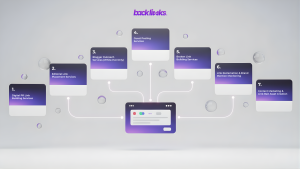
Launching a new website is exciting, but getting it noticed is a different challenge. Search engines rely heavily on how to build backlinks for a new website to understand whether your content is trustworthy, relevant, and worth ranking. Without a strong backlink foundation, even great content struggles to gain visibility. Backlinks act as signals of credibility. When reputable websites link to your pages, they help search engines recognize your site as a valuable resource.
For a new website, these early links are especially important because they speed up indexing, strengthen authority, and improve the chances of appearing in competitive search results. The good news is that any new website owner can begin building links immediately using strategic, ethical methods. In this step-by-step guide, you’ll learn exactly how to earn your first meaningful backlinks, set up a strong link-building routine, and build momentum that leads to long-term growth in traffic and rankings.
Why Backlinks Matter for a New Website
Backlinks play a major role in how search engines evaluate and rank a new website. When a reputable site links to yours, it acts as a signal of credibility something Google heavily relies on when deciding which pages deserve higher visibility. If you want to build backlinks for a new website, these signals become even more important, as new domains often stay stuck on page two or beyond regardless of how good the content may be. For a brand-new domain, backlinks also help establish trust. Search engines want to see that your website is referenced by other reliable sources before rewarding it with better positions.
Each quality backlink strengthens your overall backlink portfolio, boosts your domain authority, and helps search engines understand where your website fits within the broader online ecosystem. Backlinks also increase discoverability. Search engine crawlers commonly follow external links to find new content. When your site is linked across the web, it gets indexed faster, receives stronger inbound links, and has a better chance of showing up for early keyword targets.
Step-by-Step Strategy to Build Your First Backlinks
Building backlinks for a brand-new website doesn’t require luck, paid placements, or complicated tools. What you need is a structured process, one that helps you create value, identify opportunities, and reach out in a way that earns trust and real links. The goal isn’t to chase hundreds of low-quality backlinks but to follow a method that generates consistent, relevant mentions from reputable websites. This step-by-step framework shows you how to build backlinks for a new website in a clear, controlled, and sustainable way.
Analyze Competitors and Copy What Already Works
Before you start trying to build backlinks for a new website, study what already works for the websites ranking in your niche. Competitor research helps you understand which sites are linking to them, what type of content earns links, and which strategies are worth replicating. Use tools like Ahrefs or SEMrush to review competitor backlinks, identify high-authority sources, and spot patterns such as guest posts, interviews, roundups, or resource pages. This kind of competitor backlink analysis gives you a roadmap of proven opportunities instead of guessing.
Create High-Quality Content That Attracts Links Naturally
Backlinks always start with strong content. Your priority should be creating high-quality content that offers value worth sharing. This includes evergreen content, original research, case studies, tutorials, and authoritative content that solves real problems. When people discover helpful resources, they naturally reference and link to them. This approach builds long-term SEO strength and sets up your site for continuous link acquisition as traffic grows.
Use Guest Posting to Build Authority Early
Guest posting remains one of the most effective ways to build authority for a new website. By writing articles for blogs in your niche, you gain exposure, referral traffic, and a targeted backlink. Focus on sites with a higher domain authority than yours. Use tools like the DA checker tool or Moz domain authority checker to verify quality. A structured guest posting strategy helps you build a clean, natural backlink profile from day one.
Build Links Through YouTube Content
YouTube is one of the easiest platforms to tap for early backlinks. Create videos related to your niche and include relevant links in the description. YouTube backlinks may be nofollow, but they still help with brand visibility and link diversity. Use descriptive titles, video keywords, and clear summaries to strengthen your chances of ranking both on YouTube and Google.
Launch a Simple Podcast
Podcasts are growing fast, and they’re a powerful backlink tool. When you publish episodes on platforms like SoundCloud, Podbean, and Stitcher, you automatically gain profile backlinks. You can also invite guests, who will often link to your podcast episode from their own websites or social profiles. Podcast backlinks also improve your topical reach and make your brand easier to cite.
Use HARO for High-Authority Earned Links
HARO (Help a Reporter Out) and SourceBottle connect you with journalists who need expert commentary. If your quote is selected, you earn a backlink from a reputable publication, sometimes even from major media outlets. Consistent HARO link building requires regular responses, but it delivers some of the highest-quality backlinks available to new websites.
Build Local Citations for Quick Trust Signals
For websites with a business or local presence, creating accurate profiles on directories helps develop trust quickly. Start with Google My Business, Bing Places, Yelp, Apple Maps, and other authoritative platforms. Local link building from these sources sends strong local signals, improves visibility in maps, and strengthens your overall backlink profile even if you’re not targeting local SEO directly.
Create Shareable Visual Content Like Infographics
Infographics, visual guides, and charts are highly shareable assets. Bloggers and journalists love referencing visual content because it simplifies complex topics. When people embed your infographic, they usually credit your site with a backlink. This method combines infographic link building with content marketing for consistent results.
Participate in Industry Forums and Communities
Forums and niche communities are natural places to share knowledge, answer questions, and provide solutions. When your contributions are helpful, linking your resources becomes relevant and accepted. This produces industry forums backlinks that build early trust without spammy tactics.
Build Links Through Scholarship Opportunities
Scholarship link building works well for businesses willing to invest a small budget. You create a scholarship page, reach out to universities or education sites, and many of them list your scholarship with a backlink. These EDU backlinks significantly boost authority for new websites because education domains carry strong trust signals.
Use Broken Link Building for Fast, Relevant Wins
Broken link building involves finding dead links on relevant websites and offering your content as a replacement. This method works because you’re helping the site owner fix a problem while earning a contextual backlink. Use tools like Check My Links or Ahrefs to identify broken link opportunities and reach out with a simple, clear suggestion.
Build Relationships With Influencers
Networking remains one of the most powerful ways to build backlinks. Bloggers, influencers, and creators often need expert opinions, quotes, or references in their content. Using tools like BuzzSumo helps you identify influencers in your niche. This approach strengthens your visibility and accelerates authority development through natural relationship-based links.
How to Organize Your Link-Building Process
Staying organized is essential if you want consistent backlink results, especially when you’re learning how to build backlinks for a new website. Start with a simple Google Sheet to track every opportunity. Include columns for the website URL, contact details, domain authority, type of link (guest post, resource page, broken link, etc.), outreach status, and follow-up dates.
Use basic email templates for pitching, guest posts, and follow-ups to save time. Tools like Ahrefs, BuzzSumo, and guest posting tools help you find prospects faster, while your tracking sheet keeps everything in one place. When you follow a structured system, you avoid mistakes, stay consistent, and steadily build a clean, reliable backlink profile.
Conclusion
Building backlinks for a new website doesn’t have to be complicated. With the right steps, a clear strategy, and consistent effort, any new site can start earning trust, visibility, and early authority. The key is to focus on methods that create real value, strong content, targeted outreach, helpful contributions, and genuine relationships.
When you understand how to build backlinks for a new website and follow a structured process, you avoid the common mistakes that slow growth and weaken your authority. Over time, your backlink profile strengthens naturally, helping Google recognize your site as relevant, credible, and worth ranking. Start applying the steps in this guide, stay consistent, and you’ll see measurable improvements in both search performance and long-term organic traffic.
FAQs
What is the fastest way to learn how to build backlinks for a new website?
The fastest way is to start with proven methods like guest posting, competitor analysis, and resource page outreach. These strategies help a new site earn early authority without relying on paid tools.
How long does it take a new website to build backlinks?
Most new websites start seeing results within a few weeks to a few months. Link-building is a gradual process, so consistency matters more than speed.
How many backlinks does a new website need?
There is no fixed number. A handful of high-quality, relevant backlinks is far more valuable than dozens of random, low-quality ones.
Should I use tools like HARO for a new site?
Absolutely. HARO allows new websites to earn high-authority links early by providing expert quotes or insights to journalists and publishers.
Can beginners apply how to build backlinks for a new website without any SEO experience?
Yes. Beginners can easily apply this process by focusing on simple steps like creating valuable content, reaching out to relevant sites, and following a basic tracking sheet for outreach.